Understanding your Bookkeeping Reports
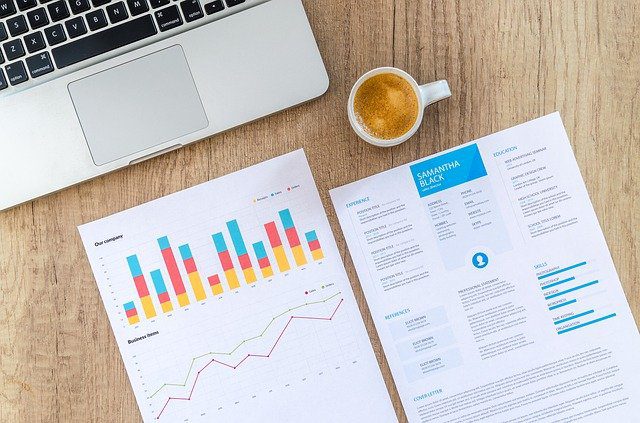
When it comes to small business accounting, most owners know it is important to keep records up-to-date for tax purposes. But there are many other ways you can use your bookkeeping reports to grow your business. Here’s a guide to three common bookkeeping reports and how you can use them to manage and grow your small business.
1. The Profit and Loss Statement
The P&L or Income Statement tells you how much money you are making, but that’s just the beginning. When searching for local bookkeeping services, be sure they offer reports that provide a quick summary of how much you make in sales, how much you spend, and how much non-revenue-generating aspects of the business are costing you, such as digital subscriptions, office space, or internet and utility costs.
Each business will have different accounts for its unique income and spending categories.
Small business owners should look at this report at least once a month.
It is also a good idea to check for trends, comparing current results to the same period the prior year. This tells you what’s working and what isn’t and can help you put more of your effort on the most profitable parts of your business.
2. The Balance Sheet
A Balance Sheet gives a snapshot of your assets and liabilities. Assets include bank accounts, accounts receivables and investment accounts. A balance sheet may also include your building, equipment and other saleable property. Liabilities include credit cards, business loans and whatever else your business owes.
The accounting equation (assets + liabilities = equity) is based on the Balance Sheet. The difference between what you have and what you owe should be a positive number that grows over the months and years.
When reviewing the Balance Sheet, explore short-term assets against short-term liabilities. This will help ensure you don’t find yourself in the red.
3. Accounts Receivable and Accounts Payable Aging
An A/R Aging Report shows how well you are doing on collections. Watch for customers who are often late, or customers who usually pay on time but recently started paying late.
Upstanding customers pay on time. Less stable clients pay late. If a client is building a bad payment track record, you might want to rethink having this company or individual as a customer.
Your A/P Aging Report tells who you owe and how much. As long as your books are updated, you can easily avoid missing due dates and paying late fees.
An affordable virtual bookkeeping service like BookWerks™ will provide these reports to help you make smart, timely business decisions.