How to Offer Delivery Services Without Breaking the Bank
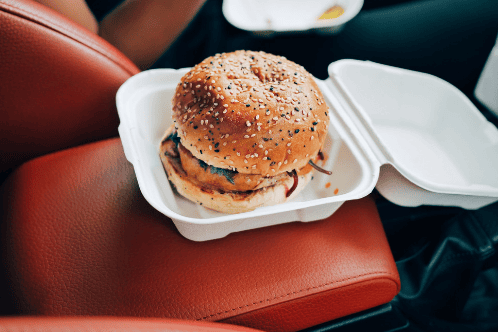
For many restaurants, offering delivery services is no longer optional. Since the rapid rise of contactless food delivery during the 2020 pandemic, the trend has only continued to grow. According to data from the National Restaurant Association, almost 75 percent of restaurant orders in 2024 were not eaten in the restaurant.
But even though customers love delivery orders, for restaurant owners, adding delivery capabilities can be a financial and logistical burden. Which services should you form partnerships with? Will you need to adjust pricing to make up for administrative expenses?
Here are five things every restaurant owner should consider so that they can offer food delivery without breaking the bank.
1. Understand the true cost of third-party delivery platforms.
Partnering with a food delivery service like DoorDash, UberEats, or GrubHub can give your restaurant access to a brand-new audience of hungry customers. But before you sign, consider the hidden costs of partnership. Most apps take a cut of every order, with some apps taking as much as 15 to 30 percent per order.
Before you sign an agreement, consider the following questions:
- What percentage commission will apply to each order?
- Are there marketing or placement fees?
- How will refunds and chargebacks be handled?
- Are we locked into the contract for a certain period of time?
If you have a bookkeeping partner who specializes in restaurants, they can help you gather the answers to these questions so that you can see how delivery sales will actually affect your bottom line.
2. Consider creating a separate menu for deliveries.
Not every dish on your menu will travel well — or maintain profitability once the cost of packaging and commissions are added to overhead expenses.
That’s why it’s important to consider tailoring your delivery menu for optimal results. A simplified menu can improve operational efficiency, reduce food waste, and potentially lead to higher customer satisfaction ratings. That means you could build a loyal customer base and increase profitability at the same time.
3. Think of packaging as an investment, not an afterthought.
Packaging costs have risen over the last five years, and they remain a significant expense for many restaurants. While it may be tempting to cut corners here, going cheap on packaging can backfire. Poor packaging can lead to damaged foods, refunds, and even negative reviews.
Instead of skimping, plan for great packaging ahead of time by:
- Factoring packaging costs into menu pricing
- Negotiating bulk purchasing when possible
- Choosing materials that preserve food quality (and enhance your brand)
4. Run the numbers on in-house delivery to see if it makes financial sense.
If your restaurant has consistent local demand, creating an in-house delivery system can keep you independent and reduce long-term commission costs from delivery partners.
However, building out an in-house delivery system usually takes some upfront investment. To get going, you’ll need to consider investing in:
- Driver wages
- Insurance and liability coverage
- Vehicle expenses or mileage reimbursement
- Scheduling and payroll management
A restaurant bookkeeping partner can help you get your books in order so that you can determine whether you have enough wiggle room to invest in in-house delivery. If you do, it could save you considerable costs in the future.
5. Be sure to track delivery transactions separately from dine-ine.
One of the biggest mistakes restaurant owners make when doing their own books? Lumping all of their revenue together. It’s important to track delivery separately from in-house dining because delivery has different:
- Cost structures
- Labor demands
- Packaging expenses
- Refund rates
If you don’t have separate categories in your books, it’s nearly impossible to tell whether delivery is truly profitable. Make sure you work with an outsourced bookkeeping partner who can help you track delivery income and expenses independently. This will help you understand margin differences and customer trends that can impact your business strategy for future quarters.
Delivery Should Add Stability, Not Stress
Adding food delivery to your service offerings can seem overwhelming, but it can absolutely strengthen your business if it’s done in a strategic way.
At BookWerks™, we help restaurant owners evaluate new revenue streams with clarity. We partner with you to keep your books streamlined and organized so that you have the information you need to expand confidently, without compromising on profitability.
Thinking about adding delivery, or wondering if your current setup is working? Let’s take a look at your numbers together.